Have you ever imagined sharing your home with a miniature kangaroo, a glowing jellyfish, or a fox that behaves like a dog? While most people stick with cats, dogs, and goldfish, there’s a growing community of pet lovers who prefer the unusual the rare, the exotic, and sometimes downright strange.
From bioluminescent fish to nocturnal mammals and amphibians that regenerate limbs, these pets challenge the typical definition of “companion animal” and expand our understanding of the animal kingdom.
This guide dives deep into the strangest pets in the world, uncovering their origins, behaviors, care requirements, and legal considerations in 2026. Whether you’re simply curious or thinking about adopting one, this article will open your eyes to a world of extraordinary companions.
1. Axolotl The Smiling Water Monster
Native to Mexico, the axolotl (also known as the “Mexican walking fish”) is not a fish at all it’s an aquatic salamander famous for its perpetual smile and incredible regenerative abilities.
Why Axolotls Are So Strange
Unlike most salamanders, axolotls remain in their juvenile stage their entire lives, never fully metamorphosing. This unique biology allows them to regenerate limbs, spinal cords, and even parts of their brain.
Key Facts :
- Origin: Lake Xochimilco, Mexico
- Lifespan: 10–15 years in captivity
- Diet: Worms, small fish, specialized pellets
- Care Tip: Keep water cool (below 20°C), avoid sunlight, maintain clean water
- Fun Fact: Regeneration studies on axolotls are helping researchers understand human tissue repair.
2. Fennec Fox – The Desert Dog
With its oversized ears and tiny frame, the Fennec fox looks like a mix between a fox and a Chihuahua. Native to the Sahara Desert, it has evolved to survive extreme heat and scarcity of water.
Why It’s Strange Yet Adorable
Fennec foxes are social and playful but retain many wild instincts. They require a lot of mental stimulation and can’t be treated like typical pets.
Updated Facts:
- Weight: 2–3 lbs (smallest canine species)
- Diet: Insects, small rodents, fruits
- Personality: Energetic, curious, mischievous
- Legal Note: Ownership is restricted in many countries and U.S. states
3. Ball Python The Gentle Serpent
Snakes may not be first on most pet lists, but ball pythons are among the most popular reptiles for exotic pet lovers due to their calm temperament and striking color patterns.
The “Ball” in Ball Python
When frightened, ball pythons curl into a tight ball, hiding their head — a self-defense technique that makes them one of the safest snakes for beginners.
Key Care Details :
- Lifespan: Up to 30 years
- Size: 3–5 feet long
- Diet: Mice or rats (frozen-thawed preferred)
- Habitat: Controlled temperature & humidity
- Pro Tip: Avoid handling immediately after feeding.
4. Pancake Tortoise The Flat-Back Wonder
Native to East Africa, pancake tortoises have thin, flexible shells that allow them to squeeze into rock crevices a rare adaptation among tortoises.
Why It’s Unique
Unlike dome-shelled tortoises, pancake tortoises are active climbers and escape artists.
Updated Facts:
- Lifespan: 25–35 years
- Personality: Active, curious
- Environment: Warm, dry areas with rock hiding spots
- Conservation Note: Endangered due to habitat loss and illegal trade
5. Kinkajou The Honey Bear
The kinkajou is a nocturnal mammal from Central and South America, nicknamed the “honey bear” for its love of sweet foods.
Curious Behavior
Kinkajous are affectionate but demand attention. They can be territorial if ignored and require night-time enrichment.
Facts :
- Diet: Fruits, nectar, honey
- Lifespan: Up to 25 years
- Temperament: Playful, sometimes unpredictable
- Legal Status: Banned in some U.S. states
- Care Tip: Secure enclosure, enrichment during night hours
6. Hyacinth Macaw The Gentle Giant of Parrots
The Hyacinth macaw is the largest flying parrot species, known for intelligence, emotional bonding, and striking blue feathers.
Why It’s Special
These birds often act like family members rather than pets. They require plenty of space and mental stimulation.
Updated Facts:
- Wingspan: Up to 4 feet
- Lifespan: 50–60 years (some over 80)
- Diet: Nuts, fruits, palm seeds
- Cost: Can exceed $10,000
7. Octopus – The Ocean’s Escape Artist
Octopuses are intelligent, shape-shifting marine animals that can solve puzzles, open jars, and even recognize humans.
Why It’s Unusual
Owning an octopus is challenging due to their intelligence and sensitivity.
Key Facts:
- Lifespan: 1–2 years
- Tank: Saltwater with perfect chemistry
- Diet: Crabs, shrimp, small fish
- Pro Tip: Secure tank lids; octopuses are expert escape artists
- Ethics: Not ideal for beginners due to high care requirements
8. Leaf-Tailed Gecko The Master of Camouflage
The Satanic leaf-tailed gecko from Madagascar mimics dead leaves perfectly, fooling predators and humans alike.
Highlights:
- Lifespan: 8–10 years
- Size: 3–4 inches
- Diet: Insects
- Care: High humidity and plenty of hiding spots
- Fun Fact: Threatened geckos display a red interior mouth to scare predators
9. Pacman Frog The Living Mouth
Named after the classic video game, Pacman frogs have enormous mouths and can eat prey almost as large as themselves.
Key Facts:
- Lifespan: 7–10 years
- Diet: Insects, small fish, mice
- Behavior: Ambush predator; mostly stationary
- Care Tip: Moist substrate, warm, humid environment
- Warning: Handle minimally; sensitive skin
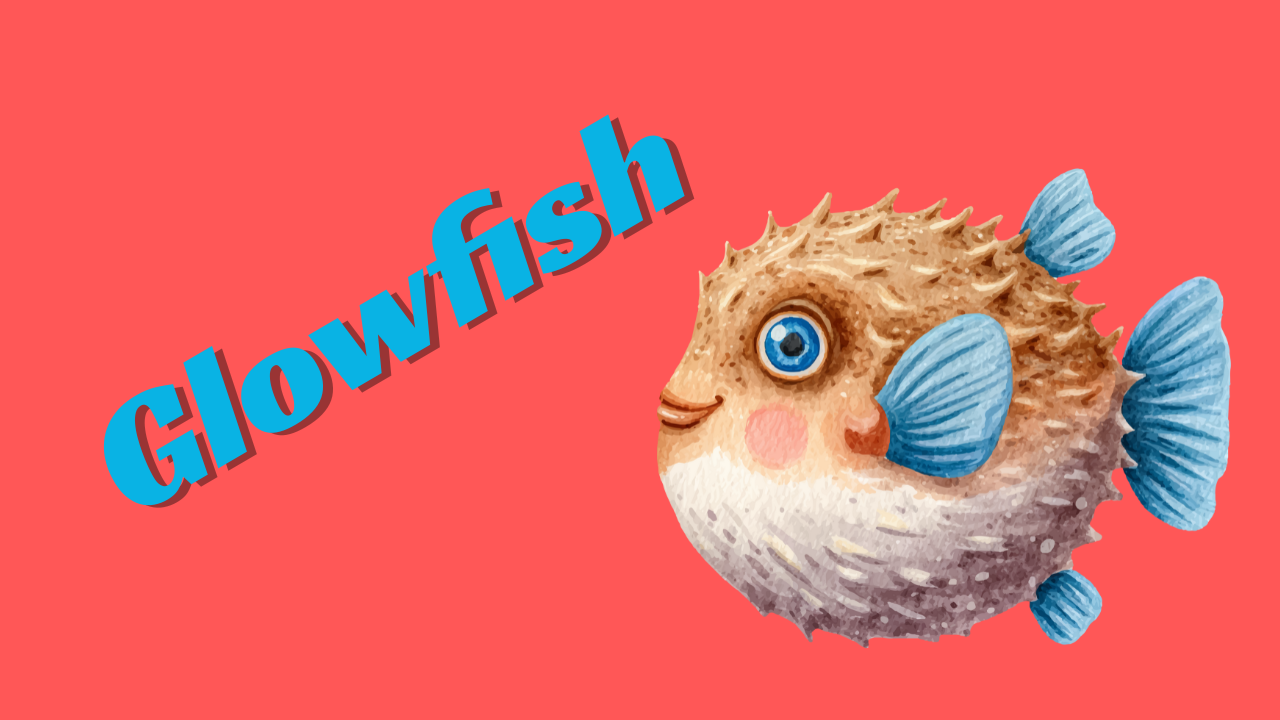
10. GloFish Nature’s Living Neon Lights
GloFish are genetically modified zebrafish that glow under UV light.
Why It’s Popular:
- Beginner-friendly
- Legal in most regions
- Low maintenance
- Fun colors: blue, red, green
Facts:
- Lifespan: 3–4 years
- Tank: Freshwater, moderate size
- Diet: Standard fish flakes
- Ethics: Cannot reproduce in the wild; safe for environment
Interesting Facts About Strange Pets
- Axolotls can regrow heart and spinal tissue
- Octopuses have three hearts and blue blood
- Kinkajous can rotate feet backward to climb head-first
- Fennec foxes survive long without water by getting moisture from food
- Hyacinth macaws can crack coconuts with their beaks
- Pacman frogs can consume prey almost their own size
- Leaf-tailed geckos can regrow tails in months
- Pancake tortoises flatten to hide in crevices
FAQs About The Strangest Pets
Which strange pet is easiest to care for?
Axolotls and GloFish are beginner-friendly due to simple care requirements.
Are these pets dangerous?
Most are safe if handled properly, but kinkajous, snakes, and foxes can bite or scratch. Always understand natural instincts.
What are the biggest challenges of exotic pets?
Legal restrictions, specialized diets, high maintenance, and environment control. Some require professional veterinary care.
Can exotic pets bond with humans?
Yes, but it varies. Parrots, foxes, and kinkajous form strong attachments; reptiles less so.
Conclusion: Embrace the Extraordinary, Responsibly
The world of strange pets reveals the incredible diversity of nature creatures that glow, camouflage, regenerate, and surprise at every turn. From the smiling axolotl to the leaf-tailed gecko, each pet showcases the wonders of evolution.
But remember: owning an exotic pet is a serious responsibility. Legal checks, proper diet, habitat, and enrichment are critical. For beginners, consider ethical breeders or wildlife sanctuaries rather than wild capture.
These extraordinary animals remind us that nature’s creativity has no bounds, and sometimes, the most unusual pets teach us the most about care, curiosity, and respect for life.