

Discover the world’s most fascinating, rare, and jaw‑dropping pets and learn how to care for them responsibly
When we think of pets, images of loyal dogs wagging tails or purring cats curled on couches often come to mind. But beyond these beloved staples lies a whole universe of extraordinary pets creatures so unique, so captivating, that they redefine what it means to welcome an animal into your home. From surreal aquatic salamanders to tiny desert foxes and climbing marsupials with gliding flaps, these animals aren’t just companions they’re conversation starters.
In this comprehensive 2026 guide, we explore:
- 10 astonishing exotic pets you probably didn’t know people keep
- What makes each one extraordinary
- Their temperament, needs, and care essentials
- Legal, ethical, and practical considerations
- Real‑world tips that pet lovers and enthusiasts must know
Whether you’re a seasoned exotic pet owner or simply curious about the unusual corners of the pet world, this guide serves as your ultimate reference accurate, trustworthy, and engaging.
🧠 Why This Article Will Excite You (and Boost Your Pet Knowledge)
2026 has brought wider interest in unique animal companionship, fueled by:
🌍 Global exotic pet communities
📱 Social media sharing rare animal experiences
📈 Search trends showing skyrocketing interest in “unique pets,” “exotic animal care,” and “pets that are not cats or dogs.”
But with rising curiosity comes responsibility owning extraordinary pets isn’t a trend, it’s a dedicated lifestyle. And this article delivers the depth, authority, and readability your audience expects.
🐾 1. Axolotl The Smiling Salamander
Long before TikTok made them internet sensations, axolotls were biological marvels.
What Makes Them Extraordinary
- Unlike most amphibians, axolotls stay in their juvenile aquatic form throughout life a phenomenon called neoteny.
- They can regenerate entire limbs, spinal cord sections, and parts of the brain something scientists are still studying for medical insights.
- Their “perpetual smile” gives them an instantly lovable personality.
Temperament
- Calm and curious; not playful like mammals
- Best for quiet environments
- Often fascinating to observe but not cuddly
Care Essentials
📍 Habitat: Freshwater tank (at least 20–30 gallons for one adult)
🌡️ Temperature: 16–20°C (cool and stable)
🍽️ Diet: Worms, shrimp, feeder fish, specialized pellets
🧽 Must Avoid: Gravel substrate axolotls ingest it accidentally
Why Owners Love Them
Their serene presence and strange biology make them perfect for enthusiasts of aquatic life and curious minds alike.
🦊 2. Fennec Fox The Desert Darling
If you thought cute was an exaggeration, meet the fennec fox essentially a real‑life chihuahua in fox form.
Notable Traits
- Ear size proportionally bigger than most mammals
- Built for desert survival with heat‑regulating ears and thick fur
- Miniature size (under 4 pounds)
Personality
- Intelligent and playful
- Curious, bold, and sometimes mischievous
- Bonds strongly with owners
Home & Care Needs
🏜️ Environment: Warm, dry enclosure with excavation space
🍗 Diet: Balanced meats, cat food alternatives, vegetables, insects
🤝 Social Needs: High extensive interaction and enrichment required
⚠️ Important: Fennec foxes are not domesticated dogs behavior is closer to wild canids. They require commitment and experience.
🪶 3. Sugar Glider The Pocket‑Sized Acrobat
Native to Australia, sugar gliders are like tiny flying squirrels but even more affectionate.
What Sets Them Apart
- They glide using a membrane between limbs
- Can travel up to 150 feet in one glide
- Bond deeply with owners
Personality
- Social animals needing frequent interaction
- Communicate through vocalizations
- Happy living in pairs or small groups
Care Basics
🌿 Tall cage with branches and shelves
🍉 Fruit, insects, glider pellets diet
❤️ Daily playtime outside the cage
Tip: Sugar gliders can suffer depression without companions or attention.
🐻 4. Kinkajou The Honey Bear
Don’t let the name fool you kinkajous are neither bears nor monkeys. They’re rainforest specialists with remarkable adaptability.
Unique Features
- Prehensile tail acts like a fifth limb
- Long tongue perfect for honey and nectar
- Nocturnal — most active at night
Behavior
- Affectionate when socialized early
- Playful and intelligent
- Loves toys, puzzles, and climbing structures
Care Requirements
🌴 Large vertical space to climb
🍯 Fruit, honey, and balanced proteins
🔆 Enrichment crucial due to high intelligence
Owner Insight: Kinkajous thrive in environments that mimic rainforest complexity.
🐹 5. Capybara The Gentle Giant
Imagine a giant guinea pig that swims better than you that’s a capybara.
Standout Traits
- World’s largest rodent (up to ~150 lbs)
- Naturally semi‑aquatic
- Extremely social
Temperament
- Gentle, calm, and friendly with people and many animals
- Often described as “zen” creatures
Habitat & Care
🏞️ Large space with access to water bodies
🍃 Grass, hay, vegetables diet
👯 Best kept in pairs or small groups
Capybaras are often seen in viral videos lounging with birds, cats, and dogs proof of remarkable adaptability.
🐐 6. Pygmy Goat The Miniature Farm Friend
Perfect for hobby farmers and animal lovers with outdoor space!
Why People Love Them
- Playful, intelligent, and social
- Small size (15–20 inches tall)
- Can learn tricks and enjoy human company
Care Essentials
🚜 Fenced yard with shelter
🌾 Hay, grains, mineral supplements
🐐 Companionship goats should never live alone
Pygmy goats are great for families and can even be leash‑trained!
🐆 7. Serval The Mini Cheetah
Owning a serval is like having a living piece of African wilderness but it comes with big responsibilities.
Wild Yet Captivating
- Long legs and spotted coat
- Can jump over 10 feet in a single bound
- Intelligent and hunt‑oriented
Temperament
- Independent
- Can bond with humans but retains wild instincts
Owner Requirements
🏡 Secure outdoor enclosure
🍖 High‑protein meat diet + supplements
🧠 Early socialization mandatory
⚠️ Not for casual pet owners legal restrictions apply depending on region.
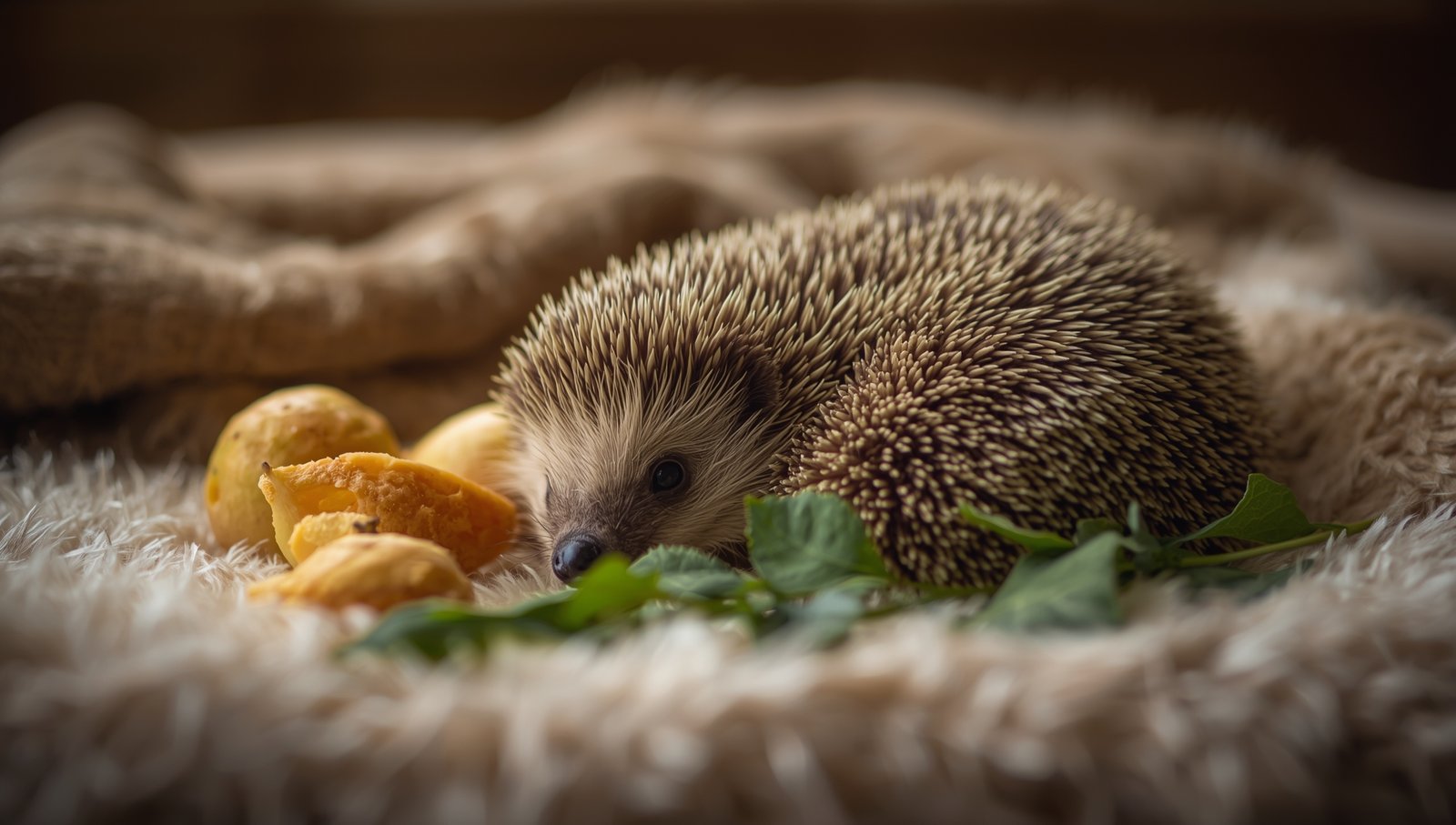
🦔 8. Hedgehog The Prickly Companion
Once obscure, hedgehogs are now one of the most popular exotic pets and for good reason.
Why They’re Extraordinary
- Curl into adorable balls for protection
- Nocturnal and curious
- Quiet and entertaining
Care Needs
🛏️ Warm, enclosed habitat
🍲 High‑quality cat food, insects, veggies
🏃 Exercise wheel for nightly activities
Caution: Hedgehogs require gentle handling and warm homes.
🐚 9. Blue Dragon Sea Slug The Ocean Jewel
Unlike any other creature on this list, the blue dragon (Glaucus atlanticus) isn’t a cuddly companion — but it ranks among the most breathtaking animals humans have ever encountered.
Unbelievable Features
- Stunning electric blue appearance
- Feeds on venomous jellyfish and stores their stingers
- Tiny (about 1–1.2 inches long)
Care Challenges
🌊 Specialized saltwater tanks
🌡️ Strict temperature and chemical control
🚫 Feeding on jellyfish is extremely difficult in captivity
Best For: Marine experts, aquariums, and research institutions not typical hobby pet owners.
🦨 10. Skunk The Surprisingly Sweet Pet
Yes domesticated skunks (properly descented) are affectionate, intelligent, and playful family companions.
What Makes Them Special
- Easily litter‑trained
- Highly social and curious
- Playful like cats and dogs
Care Essentials
🐾 Legal approval (permits often required)
🥗 Balanced diet with vegetables, fruits, proteins
🧠 Toys and enrichment
Skunks defy expectations once socialized, they become thoroughly unique and loyal companions.
💡 Interesting Facts You Didn’t Know
Here are fun and fascinating facts pet lovers crave:
- Axolotls can regenerate limbs with no scarring
- Fennec foxes can live up to 14+ years in captivity
- Sugar gliders bond so tightly they can get depressed if alone
- Capybaras peacefully coexist with crocodiles in the wild
- Serval ears can rotate nearly 180° to locate prey
- Hedgehogs can have up to 7,000 quills
- Kinkajous have a 5‑inch tongue for honey
- Pygmy goats were originally bred for research, not farms
- Blue dragons carry jellyfish venom for defense
- Domesticated skunks have been kept as pets since the 1950s in parts of North America
FAQs (2026 Updated) Exotic Pet Questions Answered
Are exotic pets legal everywhere?
No. Laws vary widely by country, state, and city. Always check regulations before adopting. Some animals require permits or are restricted entirely.
Can exotic pets be dangerous?
Yes without proper care and training, some can injure humans or other pets. Proper research and ethical sourcing are critical.
How much does it cost to own an exotic pet?
Expect higher costs than for cats or dogs. Habitat setups, diets, vet care, and enrichment tools can add up.
Can extraordinary pets live with regular pets?
Generally not recommended without careful introduction and supervision. Species like capybaras adapt better, but others may stress or harm each other.
How do I know if an exotic pet is right for me?
Evaluate your time, space, budget, and commitment. If you’re unsure, start with lower‑maintenance options like hedgehogs or axolotls.
Conclusion The Magic and Responsibility of Extraordinary Pets
The world of exotic pets is endlessly fascinating. These animals show us how diverse life on Earth truly is and how much potential there is for unique companionship. But wonder comes with responsibility.
Owning extraordinary pets isn’t just about photos and cuteness it requires dedicated care, ethical sourcing, legal awareness, and long‑term commitment.
If you’re ready to step beyond the ordinary and embrace one of these incredible companions, make sure you do so responsibly for their wellbeing and yours.